Looking for a home that lives easily now and later? In Raleigh, ranch-style homes keep showing up on buyer wish lists for good reason. If you are considering one-level living, this guide will help you understand where ranch homes tend to be found, what they usually cost, and what to check before you make an offer. Let’s dive in.
What ranch style means in Raleigh
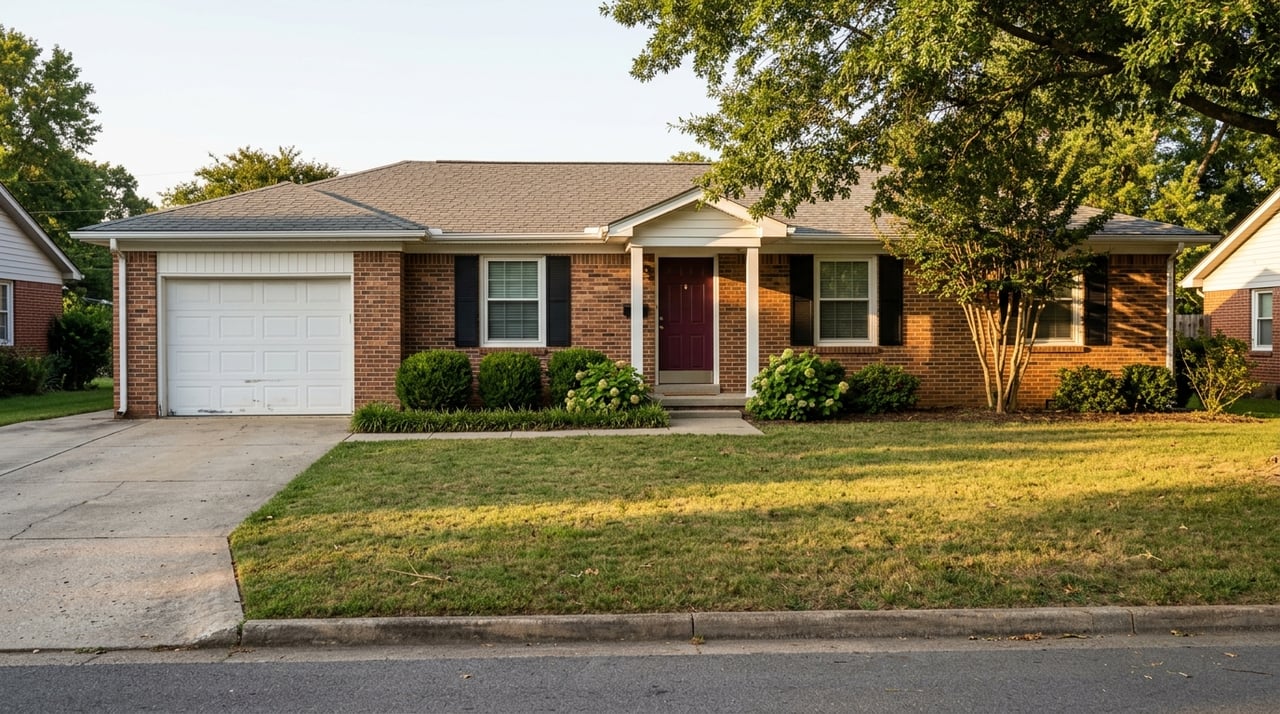
In Raleigh, ranch homes are usually low, wide houses with one story, or mostly one story, and a broad footprint. City preservation materials describe common features like side-gabled or hipped roofs, wide eaves, interior chimneys, picture windows, and small, simple porches.
Most local ranch homes are tied to Raleigh’s postwar and mid-century growth. You may also see raised ranch or split-level versions from the same era, which can offer a similar feel but a different layout.
That said, the term “ranch” can mean different things in online listings. Some current listings highlight open floor plans, renovated kitchens, large windows, and one-level living, but those are updates and features, not a guarantee of original ranch design.
Why buyers like ranch homes
A big reason buyers like ranch homes is simple: single-level living can be easier to navigate. AARP notes that the safest stairs are no stairs at all, which helps explain why ranch homes appeal to buyers thinking about long-term comfort as well as day-to-day convenience.
You may also like the way many ranch homes live. Wide footprints can create practical room flow, and many homes from this era sit on established lots that give you a different feel from newer construction.
For some buyers, the draw is flexibility. A ranch can work well whether you want a straightforward move-in-ready home, a renovation project, or a long-term property you can adapt over time.
Where ranch homes appear in Raleigh
Ranch homes are not limited to one part of the city. Instead, you will find them in several mid-century pockets across Raleigh, each with its own lot patterns, streetscape, and housing mix.
Longview Gardens
About 1.5 miles east of downtown, Longview Gardens shifted after World War II from revival styles to ranch and split-level homes. Over time, ranch houses came to make up about two-thirds of the district.
This area is also known for curving streets and a designed parkway. If you like established neighborhood patterns and homes with mid-century roots, this is one area worth watching.
Biltmore Hills
In southeast Raleigh, Biltmore Hills is an approximately 105-acre subdivision where most homes are one-story, side-gabled ranch houses. Many are just under 1,000 square feet, which gives the neighborhood a more compact postwar pattern.
If you are looking for a smaller footprint or a simpler layout, this kind of neighborhood can be especially appealing. Size expectations here may differ from larger ranch homes elsewhere in the city.
Hi-Mount
About two miles north of downtown, Hi-Mount includes ranch homes with simple detailing. City materials describe homes here as small, set back from the street, and often paired with landscaped yards, side driveways, garages, carports, or small sheds.
That combination can matter if you care about parking, storage, or outdoor space. It also gives you a good example of how ranch neighborhoods can offer practical site layouts, not just a certain house style.
Roanoke Park and Five Points area
Roanoke Park includes a few 1950s ranch houses from the period when the neighborhood was being built out. In areas like this, ranch homes may be less common than other styles, but they still appear as part of the broader mid-century story in Raleigh.
That can create a different buying experience. Instead of shopping in a neighborhood dominated by ranch homes, you may be looking for a specific home type within a more varied setting.
North Hills and West Raleigh
North Hills and West Raleigh show that ranch homes are not just an east or southeast Raleigh story. A Raleigh zoning staff report describes North Hills as a mid-20th-century neighborhood with 442 single-family lots, more than 90% of homes built before 1967, spacious setbacks, mature tree cover, and strong ranch representation.
West Raleigh historic district materials also confirm that ranch homes appear alongside Colonial Revival, Craftsman, Period Cottage, and Minimal Traditional houses. For buyers, that means ranch inventory can show up in more places than you might expect.
What price and size to expect
As of May 2026, Raleigh’s overall median sale price was $424,746, and homes were selling in about 34 days. In a current Redfin ranch search snapshot, there were 141 active ranch listings with a median list price of $425,000 and about 58 days on market.
Current move-in-ready ranch examples in Raleigh range from about $273,900 to $695,000. That spread tells you something important: the ranch label alone does not determine value.
In Raleigh, price is often shaped just as much by neighborhood, condition, lot quality, and renovation level. A smaller original-condition ranch in one area may compete very differently from a larger updated ranch in another.
Current active ranch listings often show 3-bedroom, 2-bath layouts in roughly the 1,000- to 2,200-square-foot range. You will also see larger renovated homes, so it helps to think of ranch as a layout category rather than a narrow size bracket.
What lot patterns can tell you
One of the more appealing parts of ranch living in Raleigh is the lot pattern that often comes with it. Many ranch neighborhoods were built with wider setbacks, mature landscaping, and a less compressed streetscape than some newer subdivisions.
In North Hills, homes are set back on spacious lots with substantial tree cover, and many are wider than they are deep. In Hi-Mount, homes are described as smaller and set back from the street with landscaped yards and side-drive arrangements.
Longview Gardens adds curving streets and a planned parkway feel, while Biltmore Hills reflects a more compact postwar pattern. Those differences matter because two ranch homes at a similar price can offer very different outdoor space, privacy, and curb appeal.
What to check before you buy
A ranch home can be a smart long-term choice, but the details matter. Before you move forward, it helps to look beyond the floor plan and focus on how the home has aged, how it has been updated, and what limits might apply.
Livability over time
If long-term comfort matters to you, look closely at the home’s true accessibility. Single-level living is helpful, but you still need to check entry steps, hallway widths, bathroom layout, and whether the home could support changes later if needed.
HUD’s home-modification guidance notes that features like a main-floor bedroom and full bathroom, wider doorways, and safer bathrooms can make older single-family homes easier to live in over time. That does not mean every ranch is ready for those needs today, but many offer a workable starting point.
Condition and renovation history
With Raleigh ranch homes, maintenance is often more about age and update history than style. In Hi-Mount, city materials note that many homes have replaced original wood, brick veneer, or asbestos siding with vinyl or aluminum.
That is a useful reminder that two homes with similar curb appeal can have very different maintenance profiles. Updated kitchens and refreshed finishes may be easy to spot, but you should also pay attention to exterior materials, older components, and the overall quality of past improvements.
Historic overlay rules
This is one of the most important checks for older Raleigh homes. If a property is in a local historic overlay district or is a designated landmark, Raleigh requires exterior work to go through a Certificate of Appropriateness review under local historic design standards.
That can affect remodeling flexibility and your long-term plans for exterior changes. By contrast, Raleigh notes that National Register districts are largely honorary, although contributing properties may be eligible for federal and state historic tax credits.
The bottom line on ranch living in Raleigh
Ranch-style living in Raleigh is best understood as a broad, citywide option rather than a single neighborhood product. You can find ranch homes in compact mid-century areas like Biltmore Hills and Hi-Mount, in established in-town settings like Roanoke Park and West Raleigh, and in larger tree-lined neighborhoods such as North Hills and Longview Gardens.
For buyers, the real decision points are usually the home’s condition, lot feel, renovation quality, and any preservation rules that may apply. When you evaluate those factors carefully, a ranch home can offer both practical day-to-day living and strong long-term appeal.
If you want help comparing Raleigh ranch homes by neighborhood, lot pattern, and renovation potential, John Merriman can help you approach the search with clear local insight and proven guidance.
FAQs
What is a ranch-style home in Raleigh?
- In Raleigh, a ranch-style home is typically a low, wide, one-story or mostly one-story house with features such as broad massing, simple porches, wide eaves, and large picture windows.
Where can you find ranch homes in Raleigh?
- Ranch homes appear across Raleigh in neighborhoods and districts such as Longview Gardens, Biltmore Hills, Hi-Mount, Roanoke Park, North Hills, and West Raleigh.
How much do ranch homes cost in Raleigh?
- Current market snapshots show a median list price around $425,000 for active ranch listings, with move-in-ready examples ranging from about $273,900 to $695,000 depending on location, condition, and lot quality.
Are ranch homes good for long-term living in Raleigh?
- They can be, especially because single-level living reduces the need for stairs, but you should still review entry access, hallway widths, bathroom layout, and future modification potential.
Are all Raleigh ranch homes updated?
- No. Some are renovated with open layouts and updated kitchens, while others may still need exterior or interior updates depending on age and maintenance history.
Do historic rules affect Raleigh ranch homes?
- Sometimes. If a ranch home is in a local historic overlay district or is a designated landmark, exterior changes may require city review through a Certificate of Appropriateness process.